Evaluating Antique Furniture Value Guide
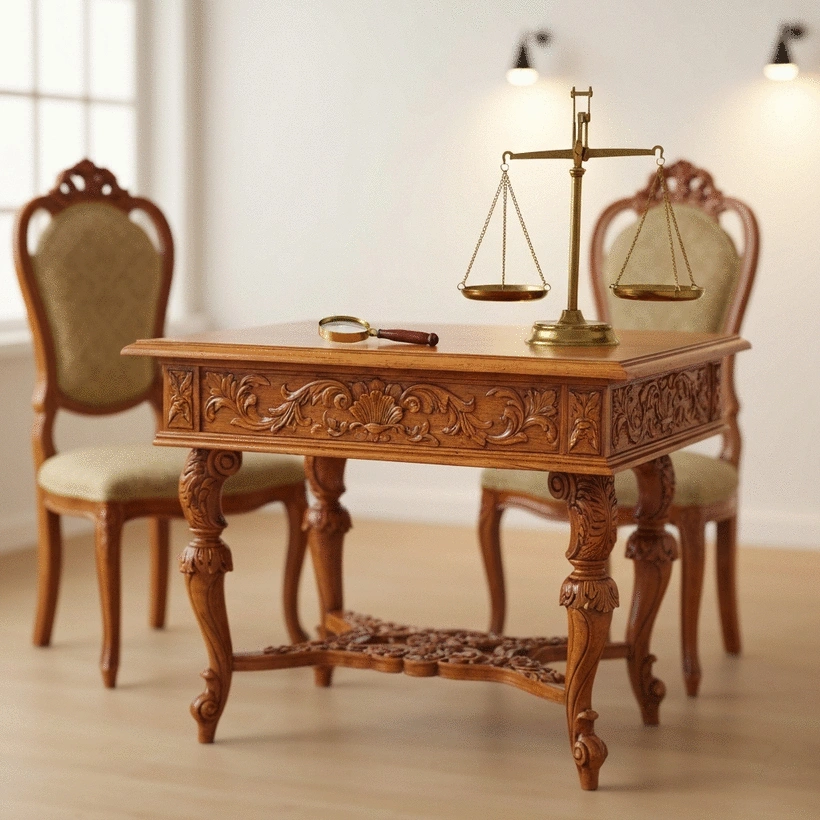
The world of antique furniture holds mysteries and treasures waiting to be uncovered. Did you know that the value of a piece isn't just determined by its age, but by a myriad of factors that can dramatically affect its worth? Understanding these elements can transform your approach to evaluating these historical artifacts.
What You Will Learn
- Age Matters: While older pieces often fetch higher prices, age alone doesn’t guarantee value.
- Condition is Key: The preservation state of an item significantly influences its desirability and market value.
- Rarity Counts: Unique or limited edition pieces can command premium prices due to their scarcity.
- Authenticity Verification: Genuine articles with verified origins hold more value than replicas or forgeries.
- Provenance Boosts Worth: A well-documented history can significantly enhance the market value of an antique.
- Understanding Style Trends: Awareness of current design trends can affect the desirability and resale value of certain pieces.
- Craftsmanship Matters: High-quality construction and details elevate the appeal and value of furniture.
- Market Demand Influences Value: Trends in interior design and preferences can shape the demand for specific antique styles.
Key Factors Influencing Antique Furniture Value
Understanding the main elements that impact the value of antique furniture is essential for collectors and enthusiasts. Below is a summary of these critical factors presented visually. For more insights on how to identify genuine pieces, consider our guide to authentic antiques in Australia.
Age
Older pieces often fetch higher values, but this isn't a strict rule.
Condition
The better the condition, the higher the potential value.
Rarity
Unique or limited pieces tend to be more desirable.
Authenticity
Verified antique items generally hold greater value.
Provenance
Pieces with documented history can significantly increase in worth.
Style
Certain styles are trendy, and demand can fluctuate.
Craftsmanship
High-quality craftsmanship adds to the piece's allure and value.
Desirability
Trends in interior design can affect the market demand for specific pieces.
Understanding Antique Furniture Value Factors
When it comes to assessing antique furniture value, several key factors come into play. The age of the piece is often a primary driver; older items can fetch higher prices, but age alone isn't enough. Other important elements include the condition, rarity, authenticity, provenance, style, craftsmanship, and overall desirability of the item. Each factor carries weight in the evaluation process, shaping how collectors and decorators perceive its worth.
For instance, condition plays a crucial role—well-preserved pieces are generally more sought after. Additionally, rarity can significantly increase value; a one-of-a-kind piece or an item from a limited production run usually commands higher prices. Authenticity, marked by original hardware and craftsmanship, can either elevate or diminish value, depending on its verification. If you're wondering how to incorporate these pieces into a modern home, read our article on blending antique furniture with modern decor.
Exploring the Key Elements That Influence Value
Let’s break down some of these factors to understand their impact better:
- Age: Older pieces are often more valuable, but this isn't a hard and fast rule.
- Condition: The better the condition, the higher the potential value.
- Rarity: Unique or limited pieces tend to be more desirable.
- Authenticity: Verified antique items generally hold greater value.
- Provenance: Pieces with documented history can significantly increase in worth.
- Style: Certain styles are trendy, and demand can fluctuate.
- Craftsmanship: High-quality craftsmanship adds to the piece's allure and value.
- Desirability: Trends in interior design can affect the market demand for specific pieces.
Importance of Provenance in Valuation
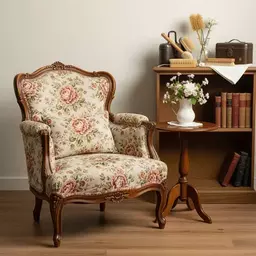
Provenance—the history and origin of an antique piece—can be a game changer in its valuation. Items with a well-documented history, such as ownership by a notable person or a connection to a significant event, typically see their market value soar. Imagine owning a Victorian-style armchair that once graced the drawing room of a famous novelist. That connection adds a unique charm and substantial monetary value.
When researching provenance, pay attention to documentation that traces the piece's past, such as old photographs, previous sales receipts, or catalog entries. These records not only enhance the story behind your furniture but also can help affirm its authenticity, ultimately leading to a better valuation.
Historical Significance of Antique Furniture
Understanding the historical context of an antique piece is essential when evaluating its worth. Furniture connected to specific movements or events—like Arts and Crafts or Mid-century Modern—offers more than just aesthetic appeal; it represents a moment in time that collectors deeply appreciate. For example, a piece made during the Great Depression may reflect the ingenuity and resourcefulness of that era, adding layers of meaning and value.
Moreover, items that showcase the changing styles of different periods can help tell a broader story of design and craftsmanship. This connection to history isn't just about the furniture itself; it's about the narrative it carries through the ages. When I see a beautifully crafted Edwardian sideboard, I can almost hear the conversations that transpired around it, making it all the more special. To ensure the longevity of such pieces, proper care is crucial; learn more about maintaining antique wood finishes.
Step-by-Step Guide to Evaluating Antique Furniture
To truly appreciate the value of antique furniture, it's essential to know how to evaluate it effectively. This process begins with an initial inspection, where you can assess the general condition, craftsmanship details, and any maker’s marks that signify authenticity and era.
Let’s dive into what to look for in more detail! Here’s a quick overview:
- General Condition: Look for any damages, repairs, or alterations that could impact value.
- Craftsmanship Details: Examine joints, finishes, and overall construction quality.
- Maker’s Marks: Identify any stamps or labels to help pinpoint origin and authenticity.
By honing these skills, you can navigate the antique furniture landscape with more confidence and appreciation. It's about connecting with the pieces you love while understanding their place in history and value.
Pro Tip
When evaluating antique furniture, always consider the context of the era in which it was created. Understanding the historical significance and the design trends of the time can not only enhance your appreciation for the piece but also provide insights into its potential value. For example, a piece from the Victorian era may carry more weight if you can connect it to the cultural movements of that period.
Frequently Asked Questions About Antique Furniture Value
Here are some common questions about evaluating the worth of antique furniture:
- Q: What is the most important factor in determining antique furniture value?
- A: While many factors play a role, authenticity, condition, and rarity are often considered the most critical. A piece's provenance also significantly impacts its value.
- Q: Does age always increase the value of antique furniture?
- A: Not necessarily. While older pieces often fetch higher prices, age alone doesn't guarantee value. The condition, rarity, and historical significance also heavily influence its worth.
- Q: How does rarity affect the price of an antique item?
- A: Unique or limited edition pieces tend to command premium prices due to their scarcity. Items from a small production run or those with distinctive features are generally more desirable to collectors.
- Q: What is provenance, and why is it important for antique valuation?
- A: Provenance refers to the documented history and origin of an antique piece. A well-documented history, such as previous ownership by a notable person or connection to a significant event, can significantly enhance its market value and authenticity.
- Q: How can I verify the authenticity of antique furniture?
- A: Verifying authenticity involves examining maker's marks, original hardware, craftsmanship details, and researching its provenance through historical records, old photographs, and sales receipts. Consulting a certified appraiser is also highly recommended.
Key Takeaways on Evaluating Antique Furniture Value
When embarking on the journey of evaluating antique furniture, there are several crucial factors to keep in mind. The age, condition, rarity, and authenticity of a piece can significantly influence its market value. Additionally, understanding the provenance and historical significance can amplify your appreciation for each item.
Moreover, the craftsmanship and desirability of different styles play a vital role in valuation. As I often remind readers on my blog, Antique Furniture Guide, it's essential to approach the evaluation with a keen eye and open mind, ready to discover the hidden stories each piece holds.
- Age: Older pieces often fetch higher values.
- Condition: Well-preserved items are more desirable.
- Rarity: Unique items often command premium prices.
- Authenticity: Verify origins to ensure value.
- Provenance: Documented history adds prestige.
Next Steps: How to Proceed with Your Antique Furniture Valuation
Now that you have a solid understanding of the elements affecting antique furniture value, it's time to put your knowledge into action! I encourage you to utilize the practical checklist I mentioned earlier to begin your evaluations. This hands-on approach can help you feel more confident in your assessments. For those looking to maintain their pieces, we have a detailed guide on restoring antique furniture safely.
Moreover, if you're uncertain about your findings or wish to gain a deeper understanding, reaching out to professionals for personalized appraisals is a wise step. It’s always enriching to learn from those with expertise in the field, enhancing your own understanding of the antique furniture market.
Enhancing Your Knowledge About Furniture Value
To further develop your insight into antique furniture valuation, consider exploring these resources:
- Books: Look for titles focused on antique furniture styles and history.
- Online Courses: Enroll in courses that cover furniture appraisal.
- Community Groups: Join local collector clubs or online forums where enthusiasts share knowledge.
- Webinars: Attend virtual events hosted by antique experts.
Contacting Experts for Appraisal Assistance
If you feel the need for professional guidance, don’t hesitate to reach out to certified appraisers. Many reputable auction houses also offer appraisal services. Here’s how to find them:
- Online Search: Use keywords like “antique appraiser near me” to locate professionals.
- Referrals: Ask friends or local antique shop owners for recommendations.
- Trade Associations: Contact associations specializing in antiques for a list of certified appraisers.
Exploring Antique Shows and Local Antique Shops
One of the most enjoyable ways to expand your knowledge and appreciation of antiques is by attending antique shows or visiting local antique shops. Here are a few benefits of these experiences:
- Hands-On Learning: Inspecting pieces in person offers insight that photos cannot provide.
- Networking: Connect with other enthusiasts and professionals in the field.
- Discover Unique Finds: You never know what treasures you might uncover!
By immersing yourself in the antique furniture world, you can deepen your expertise while enjoying the process of collecting and valuing these beautiful pieces. Happy hunting! For more styling inspiration, check out our insights on French Styling Home Appeal.
Recap of Key Points
Here is a quick recap of the important points discussed in the article:
- Age: Older pieces often fetch higher values, but this is not a definitive rule.
- Condition: Well-preserved items are more desirable and can significantly increase value.
- Rarity: Unique or limited items command premium prices in the market.
- Authenticity: Verifying origins through maker's marks and documentation enhances value.
- Provenance: A well-documented history adds prestige and can elevate an item's worth.
- Style: Demand for certain styles can fluctuate, affecting market value.
- Craftsmanship: High-quality craftsmanship contributes positively to valuation.
- Historical Significance: Items tied to specific movements or events offer deeper appreciation and potential value.