Antique Furniture Styles for Australia
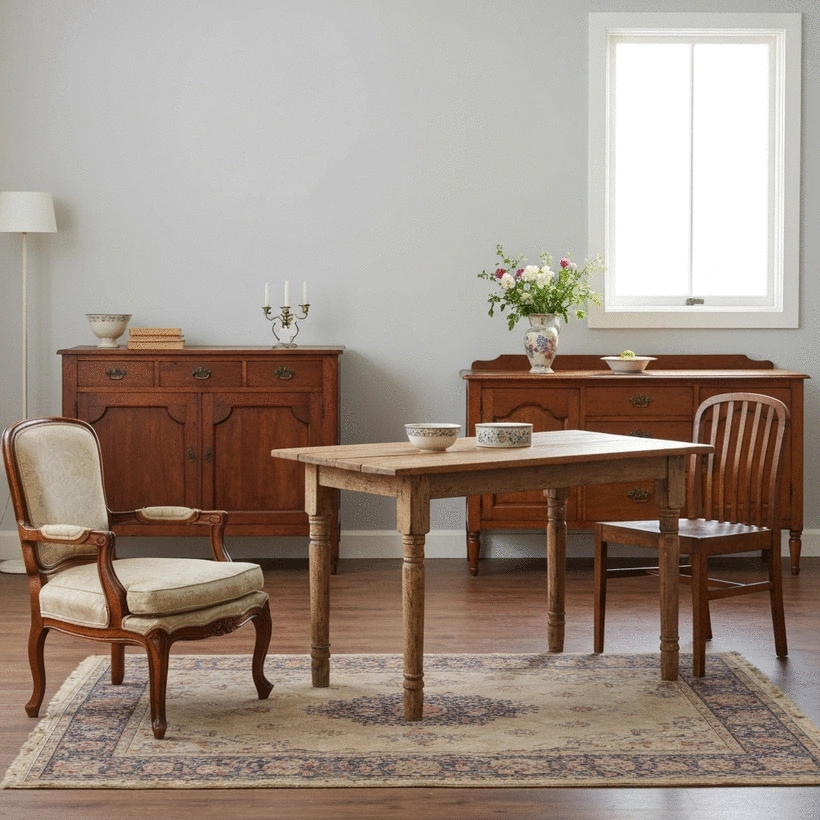
Did you know that antique furniture can not only enhance the aesthetic of your home but also tell a story that spans generations? Understanding these elegant styles can profoundly impact your living space, blending history with modern living.
What You Will Learn
- Definition of Antique: Antique furniture is defined as items that are at least 100 years old, showcasing historical value and superior craftsmanship.
- Key Characteristics: Look for craftsmanship, high-quality materials, and unique patina when selecting antique pieces.
- Popular Styles: Familiarize yourself with various styles including Victorian, Edwardian, Renaissance Revival, Art Deco, Neoclassical, Mid-Century Modern, and Colonial, each offering unique charm and character.
- Mixing Styles: Blending antique furniture with modern decor can create harmony, allowing different periods to coexist beautifully.
- Sustainability in Sourcing: Embrace sustainable practices by choosing local antiques, restoring pieces, and understanding their historical origins.
- Functional Considerations: Assess space availability, color schemes, and personal preferences when selecting antique furniture for your home.
- Engaging with History: Each antique piece tells a story and can serve as a conversation starter, enriching your living environment.
Antique vs Vintage Furniture Characteristics
This visual outlines the key differences between antique and vintage furniture, emphasizing aspects such as age, design, and quality. To learn more about identifying authentic pieces, consider checking out this guide to authentic antiques in Australia.
Antique Furniture
- Age: Over 100 years old
- Design: Reflects historical trends
- Quality: Superior craftsmanship
Vintage Furniture
- Age: 20 to 100 years old
- Design: More recent styles
- Quality: Varies greatly
Understanding Antique Furniture Styles in the Context of Australian Homes
When we talk about antique furniture, it goes beyond just a piece of wood or metal; it's about the stories, craftsmanship, and history embedded in every item. In Australia, we have a rich tapestry of styles that reflect our diverse cultural influences. Understanding what defines antique furniture compared to vintage pieces helps us appreciate the depth of each item, making it easier to choose the right pieces for our homes.
Defining What Antique Furniture Means
Antique furniture typically refers to items that are at least 100 years old. These pieces often carry significant historical value and showcase the artistry of their time. In contrast, vintage furniture encompasses pieces that are more recent, usually made between 20 to 100 years ago. While vintage items can be charming and stylish, antiques hold a unique allure that speaks to their age and craftsmanship.
Overview of Antique Furniture vs. Vintage Furniture
To differentiate between antique and vintage, consider key aspects like age, design, and quality. Here’s a quick comparison:
- Age: Antiques are over 100 years old; vintage is 20-100 years.
- Design: Antiques often reflect historical trends; vintage may follow more recent styles.
- Quality: Antiques typically exhibit superior craftsmanship, while vintage pieces can vary greatly.
Key Characteristics of Antique Furniture
What makes antique furniture truly special? There are several defining characteristics that set these pieces apart:
- Craftsmanship: Handmade elements and intricate detailing often highlight the value of antiques.
- Materials: High-quality woods, metals, and fabrics were commonly used, ensuring durability.
- Patina: The natural wear and tear over time adds a unique character that cannot be replicated.
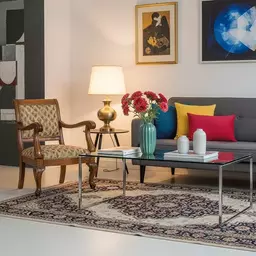
As you explore antique furniture, consider how these characteristics resonate with your personal style and home decor. Each piece tells a story, and at the Antique Furniture Guide, we aim to help you uncover these narratives while blending timeless beauty with modern living. For more insights on integrating these timeless pieces, explore how to master the art of mixing vintage and modern styles.
Identifying Popular Antique Furniture Styles for Australian Interiors
Antique furniture styles can add depth and charm to Australian interiors, creating spaces that feel both historic and inviting. By understanding different styles, you can make informed choices that reflect your personal taste and complement your home. Let's explore some popular antique styles that work beautifully in Australian homes!
Victorian Era Charm: Timeless Appeal in Australian Homes
The Victorian era, spanning from the 1830s to the early 1900s, is characterized by ornate details and a sense of grandeur. This style is well-loved in Australia, as it invokes a sense of history and sophistication.
Defining Characteristics and Typical Uses
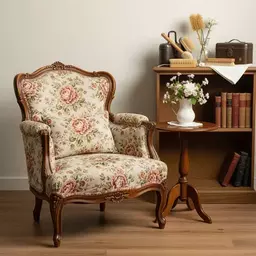
Victorian furniture is known for its intricate carvings, rich fabrics, and dark woods. Here are some typical features:
- Curved lines: Soft, flowing shapes create a sense of elegance.
- Dark woods: Mahogany and walnut are often used for their beauty and durability.
- Upholstery: Luxurious fabrics like velvet and brocade often adorn seating pieces.
Best Rooms for Victorian Furniture in Australian Homes
Victorian pieces can enhance various rooms in your home. Consider these spaces:
- Living Room: A Victorian armchair or settee can serve as a stunning focal point.
- Bedroom: Ornate bed frames or vintage dressers add charm and character.
- Dining Room: A beautifully crafted Victorian dining table is perfect for hosting family gatherings.
Embracing the Victorian style in your home not only adds a touch of elegance but also connects you to the rich history of our nation.
Edwardian Furniture: Bridging the Victorian and Modern Eras
As we move from the Victorian to the Edwardian era (1901-1910), we see a shift towards simplicity and functionality. Edwardian furniture maintains the quality of craftsmanship but introduces lighter designs and pastel colors.
Key Features of Edwardian Furniture
Edwardian pieces often showcase these distinctive traits:
- Simpler lines: Less ornate than Victorian styles, promoting a more modern aesthetic.
- Light woods: Pine and oak are commonly used, giving furniture a fresh and airy feel.
- Incorporation of new materials: Materials like wicker and rattan became popular during this time.
Integrating Edwardian Pieces into Australian Homes
Want to add Edwardian charm to your home? Here are some tips:
- Mix and match: Pair Edwardian pieces with more contemporary items for a fresh look.
- Focus on light: Use lighter color schemes to create a harmonious environment.
- Highlight craftsmanship: Choose well-crafted Edwardian pieces as statement items.
Integrating Edwardian furniture into your home can create a seamless blend of history and modernity, making your space inviting and stylish.
Renaissance Revival: A Nod to Old-World Elegance
The Renaissance Revival style, popular in the late 19th century, brings a sense of old-world European elegance to Australian homes. This style is marked by elaborate designs and a nod to classical art and architecture.
Key Features of Renaissance Revival Furniture
Renaissance Revival pieces often exhibit:
- Rich ornamentation: Intricate carvings and decorative motifs are common.
- Symmetry: Balanced proportions create a sense of harmony and elegance.
- Bold colors: Deep hues are often used to enhance the luxurious feel of the furniture.
Where to Incorporate This Style in Modern Australian Décor
Renaissance Revival furniture can transform spaces in your home. Consider these ideas:
- Entryway: A striking console table can create a grand first impression.
- Home Office: A beautifully carved desk adds character to your workspace.
- Library: Incorporate Renaissance Revival bookcases to showcase your collection.
By thoughtfully integrating Renaissance Revival pieces, you can create a home that reflects your appreciation for artistry and history.
Art Deco Furniture: Glamour and Style in Australian Interiors
The Art Deco movement emerged in the 1920s and 1930s, introducing a sense of glamour and modernity. This style is recognized for its bold geometric shapes and luxurious materials.
Defining Characteristics of Art Deco Furniture
Art Deco pieces often feature:
- Geometric patterns: Symmetrical designs and clean lines stand out.
- Luxurious materials: Use of chrome, glass, and exotic woods exudes sophistication.
- Vibrant colors: Jewel tones and metallics are commonly used for a bold effect.
Incorporating Art Deco Elements in Modern Homes
To bring Art Deco charm to your home, consider these tips:
- Accent pieces: Use Art Deco furniture as statement pieces in contemporary settings.
- Layering: Combine Art Deco with other styles for a unique look.
- Accessorize: Include Art Deco-inspired decor and lighting fixtures for added flair.
Incorporating Art Deco elements can elevate your spaces, adding a vibrant touch of history and style.
Exploring Neoclassical Design Elements
Neoclassical design draws inspiration from ancient Greece and Rome, emphasizing symmetry, simplicity, and elegance. This style often features classical motifs and refined materials.
Identifying Neoclassical Pieces and Their Significance
When looking for Neoclassical furniture, you may find:
- Columns: Furniture with column-like legs or detailing adds grandeur.
- Floral motifs: Decorative elements often feature laurel wreaths or other classical designs.
- Neutral color palettes: Soft colors create a sense of calm and sophistication.
How to Style Neoclassical Furniture in Contemporary Spaces
To incorporate Neoclassical pieces in modern decor, try these strategies:
- Focus on balance: Pair Neoclassical furniture with simple, modern elements for contrast.
- Layer textures: Use a mix of materials to create visual interest.
- Accessorize thoughtfully: Incorporate classical decor to enhance the theme.
Bringing Neoclassical design into your home can create an inviting and harmonious atmosphere, blending the old with the new. Interested in more ways to blend historical pieces with modern aesthetics? Read our article on enhancing antique furniture with color.
Mid-Century Modern: Merging Old with New
Mid-century modern furniture emerged in the mid-20th century, characterized by its simplicity and functionality. This style resonates well with Australians seeking a fresh, clean aesthetic.
Defining Mid-Century Characteristics and Appeal
Mid-century modern pieces possess distinct traits, such as:
- Sleek lines: Clean, minimalistic designs define this style.
- Natural materials: Woods and fabrics that highlight natural beauty are common.
- Bold colors: Use of striking hues can liven up any space.
Complementing Mid-Century with Australian Decor Styles
To effectively blend Mid-Century modern furniture with Australian decor, consider these tips:
- Mix with natural elements: Pair furniture with earthy tones and textures.
- Incorporate greenery: Use plants to soften and enrich your spaces.
- Layer pieces: Combine Mid-Century items with other styles for a unique look.
Embracing Mid-Century modern furniture can create a fresh and inviting atmosphere in your home.
Colonial Furniture: Reflecting Australia’s Historical Roots
Colonial furniture represents the blend of European and local influences, showcasing a rich history that resonates deeply in Australian homes. This style is characterized by its robust construction and often features local timbers.
Key Features of Colonial Furniture
When examining Colonial furniture, look for:
- Handcrafted details: Many pieces display exquisite craftsmanship and attention to detail.
- Local materials: Use of Australian timbers like cedar and mahogany reflects local resources.
- Functional designs: Practicality often guides the design of Colonial furniture.
Blending Colonial Styles with Modern Australian Interiors
To incorporate Colonial furniture into your home, consider these approaches:
- Focus on comfort: Use Colonial pieces for cozy living and dining areas.
- Layer with contemporary items: Mixing modern and Colonial styles can create a dynamic look.
- Highlight natural beauty: Use earthy color palettes and textures to complement the furniture.
By embracing Colonial furniture, you not only pay homage to our history but also create warm and inviting spaces in your home. Delve deeper into how different periods can merge seamlessly by reading our guide on blending antique furniture with modern décor.
Pro Tip
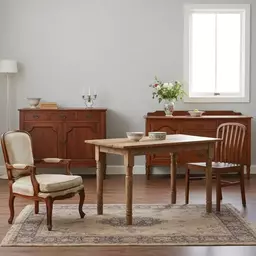
Did you know? Mixing antique furniture with modern elements not only creates a unique aesthetic but also enhances the storytelling aspect of your decor. Consider pairing a vintage dining table with contemporary chairs or using a mid-century sideboard to display antique collectibles. This blend allows you to maintain a fresh look while honoring the rich history of your pieces!
Summarizing Antique Furniture Styles for Australian Homes
As we wrap up our exploration of antique furniture, it's clear that each style offers its own unique charm and character. From the elegance of Victorian pieces to the clean lines of Mid-Century Modern, these styles can effortlessly enhance Australian interiors. When considering which antique style best suits your home, it's vital to think about how each piece resonates with the overall aesthetic you want to achieve.
The important thing to remember is that blending antique furniture with modern design is all about creating harmony. Elements from different periods can coexist beautifully when they complement one another. As you embark on your journey, think about how the stories behind these pieces can enrich your living space. Have you found a style that truly speaks to you?
FAQs About Antique Furniture in Australian Homes
- What is the definition of antique furniture?
Antique furniture refers to items that are at least 100 years old, possessing significant historical value and showcasing superior craftsmanship. - How does antique furniture differ from vintage furniture?
Antiques are over 100 years old, reflecting historical trends and superior craftsmanship. Vintage furniture is 20-100 years old, often following more recent styles with varying quality. - What are the key characteristics to look for in antique furniture?
Key characteristics include intricate craftsmanship, high-quality materials (like dark woods and luxurious fabrics), and a unique patina developed through natural wear over time. - Which antique furniture styles are popular in Australian homes?
Popular styles include Victorian, Edwardian, Renaissance Revival, Art Deco, Neoclassical, Mid-Century Modern, and Colonial, each offering distinct charm and character. - How can I blend antique furniture with modern decor?
Blending antique furniture with modern decor involves creating harmony by pairing elements from different periods, such as a vintage dining table with contemporary chairs, or a mid-century sideboard with antique collectibles. - What are some sustainable practices for sourcing antique furniture?
Sustainable practices include choosing local shops, opting for restoration over replacement, researching the historical origins of pieces, and maintaining antiques properly to ensure their longevity.
Recap of Key Antique Styles and Their Compatibility with Australian Interiors
Throughout this guide, we've delved into various antique styles and their potential to elevate your home. Here’s a quick recap of the key styles we discussed:
- Victorian - Known for intricate detailing, perfect for adding a touch of grandeur.
- Edwardian - A blend of elegance and simplicity, great for lighter, airy spaces.
- Renaissance Revival - Offers an opulent feel, suitable for formal rooms.
- Art Deco - Ideal for those wanting glamour and a sense of style.
- Neoclassical - Refined and timeless, works well in sophisticated environments.
- Mid-Century Modern - Perfect for sleek, contemporary aesthetics.
- Colonial - Reflects Australia’s rich history, great for traditional settings.
These antique styles not only add a sense of history but also bring uniqueness to your décor. Each piece can serve as a conversation starter, an opportunity to share its story and connect with those in your space. So, what style resonates most with your vision of home?
Important Considerations for Choosing the Right Style
When selecting the right antique furniture for your home, there are a few key considerations to keep in mind:
- Space Availability: Assess your room sizes and layouts to ensure pieces fit comfortably.
- Color Schemes: Choose colors that complement your existing decor.
- Personal Preference: Trust your instincts—select pieces that you love and connect with.
- Functionality: Ensure the furniture serves a purpose, be it aesthetic or practical.
As someone who appreciates the beauty of antique furniture, I always find it rewarding to match a piece with both its history and the modern elements of my home. What factors do you consider most important when choosing your antiques?
Encouraging a Thoughtful Approach to Antique Furnishings
Final Thoughts on Blending Antique Charm with Modern Living
Embracing antique furniture in a modern context is not just about aesthetics; it’s about cultivating a space that tells a story. Each piece can reflect your personality and values while adding warmth and character to your home. Let’s make sure we integrate these treasures thoughtfully, enhancing our living environments without overpowering them.
At Antique Furniture Guide, we believe in the beauty of sustainability! When sourcing antiques, consider their provenance and the stories they carry. Choosing to restore rather than replace not only preserves history but also contributes positively to the environment. If you're considering restoration, our article on restoring antique furniture safely offers valuable guidance.
Encouraging Sustainable Practices in Furniture Sourcing
In the quest for antique furniture, adopting sustainable practices can go hand-in-hand with your search. Here are some tips to consider:
- Choose Local: Support local shops and artisans when looking for antiques.
- Restoration Over Replacement: Opt to restore pieces rather than buying new replicas.
- Research History: Understand the origins of your furniture—this adds depth to its value.
- Care for Your Pieces: Maintain antiques properly to ensure their longevity.
By making mindful choices, you contribute to a more sustainable and beautiful world of antiques. How do you plan to incorporate sustainability into your furniture choices?
Invitation to Share Your Antique Style Experiences
Engaging Readers with Questions or Comments on Their Favorite Styles
Now that we've journeyed through the wonderful world of antique furniture, I invite you to share your thoughts! What styles capture your heart? Do you have any cherished pieces in your home that hold special meaning? Your stories and experiences can inspire others to appreciate the beauty and artistry of antique furniture.
Feel free to leave a comment below and let’s continue this conversation about the unique charm that antiques bring to our lives. Together, we can celebrate the artistry and history that enrich our modern homes!
Recap of Key Points
Here is a quick recap of the important points discussed in the article:
- Understanding Antique vs. Vintage: Antiques are over 100 years old, while vintage pieces range from 20 to 100 years.
- Characteristics of Antique Furniture: Look for craftsmanship, high-quality materials, and unique patina as defining features.
- Popular Styles in Australian Homes: Victorian, Edwardian, Renaissance Revival, Art Deco, Neoclassical, Mid-Century Modern, and Colonial each offer distinct charm and appeal.
- Blending Styles: Combining antique furniture with modern design can create harmonious living spaces that reflect personal style.
- Sustainable Sourcing: Opt for local antiques, choose restoration over replacement, and care for your pieces to embrace sustainability.