Repairing Antique Upholstery: A Guide
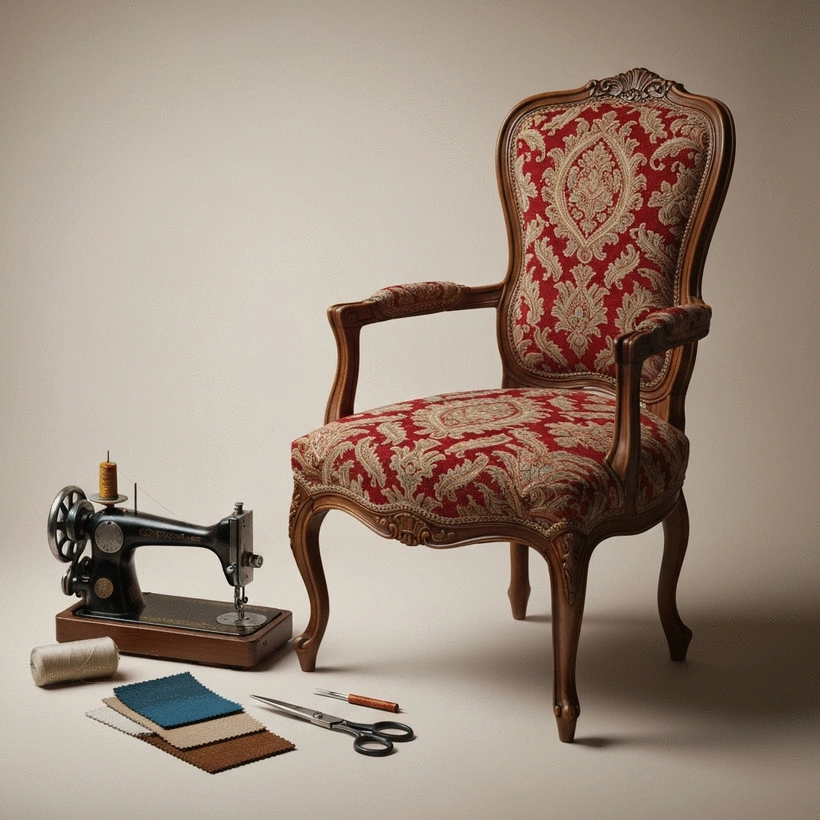
Restoring antique upholstery is not just a hobby; it's a meaningful way to preserve history and maintain the unique stories of cherished furniture. As you embark on this journey, consider the transformation and reward of reviving a piece that has stood the test of time.
Key Takeaways
- Antique upholstery repair preserves the value and authenticity of historical pieces, allowing their unique stories to continue.
- Proper restoration enhances the aesthetics of furniture and can significantly increase its market value.
- Assess the condition of upholstery carefully to decide whether to repair or replace; original fabrics add authenticity.
- Invest in essential tools such as staple removers, upholstery scissors, and wood glue to facilitate successful repairs.
- Implement a regular care routine to maintain the beauty and functionality of repaired antique upholstery.
- Seek professional help for complex repairs or when dealing with significant damage to ensure restoration quality.
- Document your projects with before-and-after photos to inspire others and showcase the transformative process.
- Understanding sewing techniques and selecting appropriate upholstery patterns enhances both skill and design potential in DIY projects.
Key Aspects of Antique Upholstery Repair
Here are the essential aspects and considerations when it comes to antique upholstery repair:
Maintaining Authenticity
Using original materials can help preserve the piece's historical integrity.
Enhancing Aesthetics
Well-restored upholstery elevates the overall beauty and appeal.
Increasing Value
A restored piece can command a higher price in the market.
Repair vs. Replace
Assess the condition of upholstery to determine if repair or replacement is needed.
Consult Experts
Reach out to professionals when unsure about repair techniques.
Understanding the Importance of Antique Upholstery Repair
Antique upholstery repair is more than just fixing a piece of furniture; it's a way of preserving history. When you restore antique upholstery, you maintain the value and authenticity of the piece, allowing its unique story to continue. The craftsmanship and materials used in antique furniture often showcase the artistry of a bygone era, so taking the time to repair them is essential to honor that legacy. For further insights on ensuring the longevity of your cherished items, consider reading more about restoring antique furniture safely.
Many of us may find ourselves enchanted by a vintage armchair or a charming sofa at an estate sale. However, if the upholstery shows signs of wear, it can be easy to overlook its potential. Remember, proper restoration not only enhances the aesthetics of a piece but also greatly impacts its market value. After all, collectors and home decorators alike appreciate items that have been lovingly cared for and restored!
Preserving Value Through Restoration
Restoration is crucial for maintaining the value of antique upholstery. Original pieces, especially with their original fabrics, can fetch higher prices than their restored counterparts. By investing in quality repair, you help ensure that the antique remains a treasured item for generations to come.
- Maintain Authenticity: Using original materials can help preserve the piece's historical integrity.
- Enhance Aesthetics: Well-restored upholstery elevates the overall beauty and appeal.
- Increase Value: A restored piece can command a higher price in the market.
As an enthusiast myself, I’ve seen restoration transform a tired piece into a stunning focal point in a room. The satisfaction of breathing new life into an antique is truly rewarding! Whether it's a beloved family heirloom or a recent find, the importance of preservation cannot be overstated. You can find more tips on caring for vintage upholstery to keep your pieces looking their best.
Identifying When to Repair vs. Replace
One of the most challenging decisions when dealing with antique upholstery is whether to repair the original fabric or replace it altogether. Assessing the condition of the upholstery is key to making this decision. Take a close look at the fabric for any signs of damage, such as tears, stains, or significant wear.
- Repair: If the fabric is still intact and retains its original character, repairing it is often the best choice.
- Replace: If the upholstery is beyond repair—think heavy stains or fraying—then replacing it might be necessary.
- Consult Experts: If you're unsure, don’t hesitate to reach out to professionals who specialize in antique upholstery!
When I assess a piece, I often ask myself: “Can this fabric be saved?” As a passionate lover of antiques, I believe every piece deserves a chance to shine again. Trust your instincts and don’t rush the process; each decision made in preserving your antique will pay off in the end.
Essential Tools and Materials for Antique Upholstery Repair
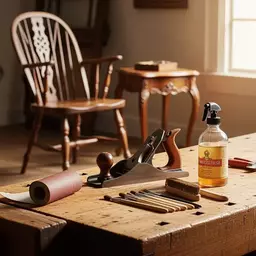
When diving into the world of antique upholstery repair, having the right tools and materials is crucial for a successful project. It's like embarking on an adventure—you'll want to be prepared! As I’ve learned from my years of experience, a well-equipped workspace can make all the difference.
Whether you're a beginner or a seasoned pro, here's a handy list of essential tools you should have in your kit:
- Staple removers
- Pliers
- Wood glue
- Measuring tape
- Upholstery scissors
- Hammer
With these tools, you're well on your way to tackling your antique upholstery project! Remember, each tool has its own purpose, and understanding how to use them effectively will lead to a smoother experience. For a comprehensive guide on necessary equipment, explore tools for antique furniture care.
Pro Tip
Did you know? When restoring antique upholstery, always take the time to research the original fabric and materials used. This not only helps in maintaining authenticity but also increases the value of the piece. For instance, using period-appropriate fabrics can make a significant difference in the piece's appeal to collectors!
Maintaining and Caring for Repaired Antique Upholstery
Once you've lovingly repaired an antique piece, it's essential to ensure it stays beautiful and functional for years to come. Maintaining your upholstery not only preserves its appearance but also its value. Regular care routines, using the right products, and being mindful of your antique’s environment are key to keeping your hard work intact!
For starters, consider implementing a simple care routine that includes:
- Regular dusting to prevent dirt buildup.
- Spot cleaning spills immediately with a soft cloth.
- Using fabric protectors to shield against stains.
Additionally, avoid placing your upholstered pieces in direct sunlight or near heating vents, as these can fade colors and weaken fabrics over time. By following these guidelines, you can enjoy your beautifully restored antique upholstery for generations!
When to Seek Professional Help in Upholstery
While DIY repair can be rewarding, there are times when it's best to seek professional help. If you find your project becoming overwhelming or if you're unsure about specific techniques, don’t hesitate to reach out to a trusted upholsterer. This can save you time and prevent potential damage to your cherished pieces.
Here are some situations where professional restoration might be necessary:
- Significant structural damage to the frame.
- Complex upholstery patterns that require expert handling.
- Restoration of high-value antiques where authenticity is crucial.
- Extensive water or fire damage that goes beyond simple repair.
At Antique Furniture Guide, we encourage you to weigh your options carefully. Remember, investing in a professional may ultimately preserve the integrity and value of your antique pieces! To learn more about selecting the right pieces, check out our guide on quality antique furniture sources.
Frequently Asked Questions About Antique Upholstery Repair
- What is the primary benefit of restoring antique upholstery?
- The primary benefit is preserving the value and authenticity of historical pieces, allowing their unique stories to continue and enhancing their aesthetic appeal and market value.
- How do I decide whether to repair or replace antique upholstery?
- Assess the condition of the upholstery for tears, stains, or significant wear. If the fabric is largely intact and retains its original character, repair is often best. If it's heavily damaged, replacement might be necessary. Consulting an expert is recommended if you're unsure.
- What essential tools are needed for antique upholstery repair?
- Essential tools include staple removers, pliers, wood glue, measuring tape, upholstery scissors, and a hammer.
- How can I maintain repaired antique upholstery?
- Implement a regular care routine that includes dusting, immediate spot cleaning of spills, and using fabric protectors. Avoid direct sunlight and heating vents to prevent fading and weakening of fabrics.
- When should I seek professional help for upholstery repair?
- Seek professional help for significant structural damage, complex patterns, high-value antiques where authenticity is critical, or extensive damage like from water or fire that is beyond simple DIY repair.
- Why is understanding sewing techniques important for upholstery projects?
- Basic sewing techniques like hand stitching, machine sewing for seams, and welting greatly enhance your skills, help put together fabric pieces professionally, and add a personal touch to your work.
Engaging Visuals and Resources for DIY Enthusiasts
Before and After Images for Inspiration
Visuals play a significant role in the DIY process, especially in upholstery repair. Including before and after pictures of your projects can inspire not only you but also others who are considering tackling similar restoration efforts. These images vividly showcase the transformation and can spark creativity in your approach!
Consider documenting each step of your process with photos, capturing the beauty of the antique before touching it and the magic that happens during and after the repair.
Helpful Checklists and Downloadable Templates
To make your upholstery project as smooth as possible, having organized resources is crucial. At Antique Furniture Guide, we're excited to provide you with downloadable checklists and templates that outline the necessary tools and steps for successful upholstery repair. These resources can help you stay focused and ensure that nothing gets overlooked!
Some useful items our checklists might include are:
- Essential tools needed for upholstery repair.
- Steps for assessing your piece before beginning work.
- Maintenance tips for keeping your upholstery in top shape.
These organized resources will empower you to take ownership of your restoration journey with confidence!
Upholstery Techniques and Tips for DIY Projects
Introduction to Sewing Techniques for Upholstery
As you embark on your upholstery projects, understanding basic sewing techniques can greatly enhance your skills. Knowing how to sew will not only help you put together fabric pieces but can also add a personal touch to your work.
Some essential sewing techniques for upholstery include:
- Hand stitching for delicate areas.
- Using a sewing machine for larger seams.
- Learning to make welting for a polished finish.
These techniques will help you achieve a professional look while allowing for creativity in your design choices!
Understanding Upholstery Patterns and Design
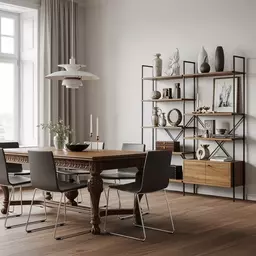
Choosing the right upholstery patterns can dramatically influence the overall aesthetic of your project. When selecting patterns, consider the era of the furniture and how it can complement your modern decor. The balance of old and new is what makes antique pieces shine in contemporary settings! For inspiration on how to blend styles, check out blending antique furniture with modern decor.
Here are a few tips for selecting patterns:
- Match patterns to the style of the antique—floral patterns for Victorian pieces, geometric for mid-century modern.
- Consider color schemes that harmonize with your existing decor.
- Don’t shy away from bold prints; they can serve as stunning focal points!
Ultimately, your unique vision will create a beautiful blend of history and style!
Conclusion and Next Steps in Antique Upholstery Repair
Summary of Key Takeaways from the Guide
Throughout this guide, we’ve explored the world of antique upholstery repair, from understanding the importance of restoration to the practical steps needed to maintain your work. Each aspect plays a vital role in preserving the beauty and integrity of antique furniture.
Encouragement to Start Your Upholstery Project
I encourage you to take the plunge into your own upholstery project! Remember, each effort you invest not only enhances the beauty of your antiques but also deepens your connection to their history. At Antique Furniture Guide, we're here to support you every step of the way!
Recap of Key Points
Here is a quick recap of the important points discussed in the article:
- Importance of Restoration: Antique upholstery repair preserves the value and authenticity of historical pieces, allowing their unique stories to continue.
- Repair vs. Replace: Assess the condition of the upholstery to decide whether to repair or replace it, and consult professionals if unsure.
- Essential Tools: Equip yourself with necessary tools like staple removers, upholstery scissors, and measuring tape for successful projects.
- Care and Maintenance: Regular dusting, spot cleaning, and avoiding direct sunlight help maintain the beauty and value of your repaired upholstery.
- Professional Help: Seek expert assistance for significant damage or complex restorations to preserve the integrity of your antiques.
- Sewing Techniques: Basic sewing skills enhance your upholstery projects and allow for creative expression.