Refinishing Vintage Wood Techniques
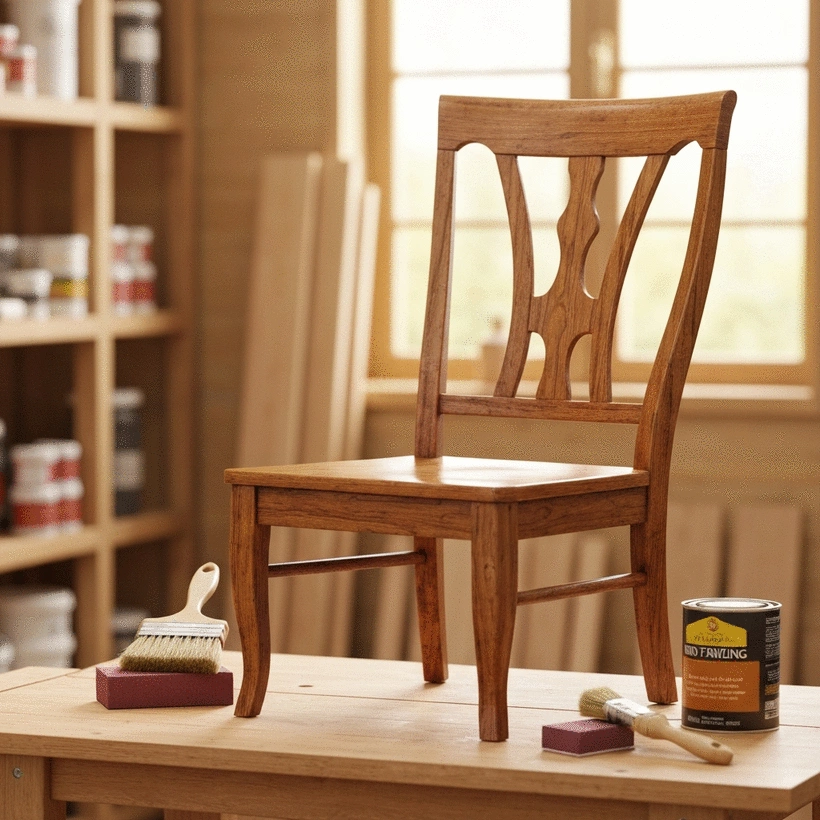
"Did you know that refinishing vintage wood pieces can not only restore their beauty but also preserve their history for future generations?"
What You Will Learn
- The significance of preserving vintage wood, including its historical value and craftsmanship.
- How to evaluate whether to refinish, restore, or simply preserve a piece based on its condition and significance.
- Essential tools and materials needed for a successful refinishing project, such as scrapers, sanders, and eco-friendly strippers.
- The importance of understanding different wood types and how they affect the refinishing process and final result.
- A step-by-step checklist to prepare for your refinishing project, ensuring you have all materials and steps organized.
- Tips for maintaining the value of antique furniture during refinishing by preserving its original characteristics.
- Insights into the best finishes for vintage pieces, including options like polyurethane and wax for various effects.
Refinishing Approaches for Vintage Wood
Understanding the appropriate method for handling vintage wood pieces is essential for successful refinishing. Here’s a guide to help you decide the best course of action based on condition and needs, similar to how we approach vintage furniture restoration tips.
Refinish
Best for pieces with minor surface damage but still retain their original finish.
Restore
Ideal for furniture that needs more than just a surface makeover, like structural repairs or missing parts.
Preserve
Perfect for items that are in great condition and only need a little cleaning to shine.
Essential Considerations for Refinishing Vintage Wood Pieces
When it comes to antique furniture, preserving its unique charm and craftsmanship is essential. Vintage wood pieces carry stories and character that deserve to be cherished. At the Antique Furniture Guide, I believe that understanding how to care for these treasures is a key part of enjoying them in our homes. So, let’s dive into the essential considerations for refinishing vintage wood!
Understanding the Importance of Vintage Wood Preservation
Preserving vintage wood is not just about aesthetics; it's about honoring the history of each piece. Every scratch and dent tells a story, and with careful preservation, you can maintain that narrative for future generations. By refinishing instead of completely replacing, we ensure that these pieces continue to serve their functional purpose while celebrating their heritage. For more insights on preserving an item's history, check out our guide on maintaining antique wood finishes.
Consider the following points when thinking about preservation:
- Historical Value: Each piece has a unique backstory that adds to its allure.
- Craftsmanship: Vintage wood furniture often exhibits superior craftsmanship that is hard to replicate today.
- Environmental Impact: Refinishing extends the life of existing furniture, which is an eco-friendly choice.
Evaluating Whether to Refinish, Restore, or Preserve
Before you dive into a refinishing project, it's crucial to take a step back and evaluate the condition of your piece. Not all vintage furniture requires the same treatment! Depending on factors like wear and historical significance, you might choose to refinish, restore, or simply preserve.
Here’s a handy guide to help you decide:
- Refinish: Best for pieces with minor surface damage but still retain their original finish.
- Restore: Ideal for furniture that needs more than just a surface makeover, like structural repairs or missing parts.
- Preserve: Perfect for items that are in great condition and only need a little cleaning to shine.
Tools and Materials Required for Effective Refinishing
Now that we’ve talked about the considerations, let’s get into the nitty-gritty of what you’ll need for an effective refinishing project. Having the right tools and materials at your disposal can make all the difference. And trust me, a little preparation goes a long way!
Essential Tools for the Job: From Scrapers to Sanders
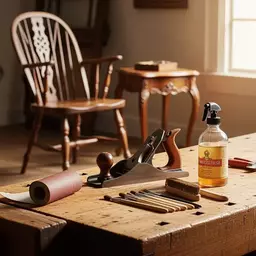
As an antique furniture enthusiast, I've gathered a few essential tools that will help you tackle any refinishing project. Here’s a list of must-haves, much like the tools for restoring antique furniture:
- Putty Knife: For scraping off old finishes and fillers.
- Screwdriver: To remove hardware and disassemble pieces if necessary.
- Sander: Both hand and electric sanders can be invaluable for smoothing surfaces.
- Cloth Rags: For applying and polishing finishes!
Choosing the Right Materials: Strippers, Stains, and Finishing Products
Choosing the right materials is just as vital as having the right tools. You'll want to select products that not only enhance the beauty of the wood but are also safe to use. Here’s what I recommend when it comes to materials:
- Paint Stripper: Look for eco-friendly options that are less harsh.
- Wood Stain: Choose a stain that complements the wood type.
- Top Coat: Polyurethane is a great finish for durability!
Understanding Different Wood Types for Refinishing
It’s essential to know the type of wood you're working with, as it can affect how you approach the refinishing process. Different wood types react differently to stains and finishes. Here are a few common ones to keep in mind:
- Oak: Absorbs stain well and showcases a prominent grain.
- Mahogany: Rich in color, it looks stunning with a clear finish.
- Pine: A softer wood that can scratch easily but takes paint beautifully.
Knowing your wood types ensures you’ll achieve the best results, enhancing the beauty of your vintage pieces while preserving their charm. So, what wood treasures are you excited to work on next?
Quick Summary
Here's a brief recap of the key points discussed so far:
- Preservation Importance: Vintage wood pieces hold historical value and craftsmanship that should be honored.
- Refinishing Decisions: Assess whether to refinish, restore, or preserve based on the item's condition.
- Tools and Materials: Having the right tools and eco-friendly materials is crucial for a successful refinishing project.
Visual Inspiration: Before and After Refinishing Examples
Let’s dive into something truly exciting—the transformations that refinishing can bring to vintage wood pieces! There’s nothing quite like seeing a *once-dull* item emerge as a stunning focal point in your home. Many of my favorite projects in the Antique Furniture Guide showcase the beauty that can be unlocked with a little bit of effort and a keen eye for detail.
For instance, picture an ornate Victorian table that has seen better days. After careful refinishing, the rich grains and intricate carvings shine through, making it not just a piece of furniture, but a conversation starter! Here are some remarkable transformations to inspire your own projects:
- A weathered oak dresser turned into a chic statement piece with a soft matte finish.
- An antique chair brought back to life, featuring a bold stain that highlights its unique contours.
- A rustic coffee table made vibrant, showcasing the natural beauty of the wood grain with a glossy top coat.
Checklist of Materials and Steps for Your Project
Before jumping into a refinishing project, it’s crucial to have a clear plan. This checklist will guide you through the essential materials and steps to ensure a smooth process. Having everything ready can not only save time but also minimize frustration!
- Materials Needed:
- Chemical strippers or sanding supplies
- Different grits of sandpaper
- Wood stain and finish (polyurethane, wax, etc.)
- Safety gear (gloves, mask, goggles)
- Steps to Follow:
- Clean the surface thoroughly.
- Remove old finishes using strippers or sanding.
- Smooth the surface with appropriate sandpaper.
- Apply stain and then finish as desired.
Frequently Asked Questions About Refinishing Vintage Wood
Can You Refinish Antique Furniture Without Decreasing Its Value?
This is a common concern among antique enthusiasts! The answer largely depends on how you approach the refinishing process. If you maintain the original characteristics of the piece, you can often enhance its value. Make sure to document the original condition before you start, as this can be helpful for future reference. Remember, keeping the *authentic charm* intact is key!
What Grit Sandpaper Should Be Used on Old Wood?
Selecting the right sandpaper grit is crucial for achieving a smooth finish without damaging the wood. Typically, starting with a coarser grit (like 80) is ideal for initial sanding to remove old finishes. Then, gradually move to finer grits (120 and 220) for a polished look. This method will help preserve the wood’s integrity while giving you a beautiful result!
Should I Strip or Sand My Vintage Furniture?
Deciding between stripping and sanding largely depends on the condition of your piece. If the old finish is thick or peeling, stripping may be necessary. However, if the finish is relatively intact, sanding can often suffice. Consider this: *stripping* can be more effective but requires safety precautions, while *sanding* is typically safer and less messy!
What Are the Best Wood Finishes for Vintage Pieces?
When it comes to finishing vintage wood, you have several excellent options. Some popular choices include:
- Polyurethane: Durable and water-resistant, good for high-use furniture.
- Shellac: Offers a classic finish with a warm tone.
- Wax: Provides a natural look but requires more maintenance.
How to Choose Between Linseed Oil and Tung Oil?
Both linseed and tung oil are great options for nourishing the wood, but they offer different benefits. Linseed oil is more traditional and readily available, while tung oil provides a water-resistant finish. If you're looking for a deeper penetration and protection, consider using tung oil. Each option can enhance the character of your vintage pieces, making them shine!
Final Thoughts and Encouragement for Your Refinishing Journey
As you embark on your refinishing journey, remember that patience and precision will be your best friends. Each step you take is not just about restoring a piece of furniture—it's about celebrating its history and ensuring it continues to tell its story. Refinishing is a rewarding experience, and I encourage all DIY enthusiasts to embrace it! For more detailed guidance, consider our article on restoring antique furniture safely.
Don’t hesitate to share your refinishing experiences with the Antique Furniture Guide community. It’s inspiring to see others breathe new life into vintage treasures, and your journey could motivate someone else to start their own project. What stories will your antique pieces tell once they’ve been refinished? Happy crafting!
Recap of Key Points
Here is a quick recap of the important points discussed in the article:
- Preservation Matters: Vintage wood pieces possess historical value and craftsmanship that should be honored through careful refinishing.
- Evaluate Condition: Determine whether to refinish, restore, or preserve based on the piece's condition and historical significance.
- Essential Tools: Have the right tools on hand, including a putty knife, screwdriver, sander, and cloth rags for an effective refinishing project.
- Choose Safe Materials: Use eco-friendly paint strippers and wood stains that enhance the beauty of the wood without harsh chemicals.
- Know Your Woods: Understand different wood types to achieve the best refinishing results, as each reacts differently to stains and finishes.
- Follow a Checklist: Prepare a checklist of materials and steps to ensure a smooth and organized refinishing process.
- Finishing Options: Select appropriate finishes like polyurethane or wax based on the use and desired look of the piece.